
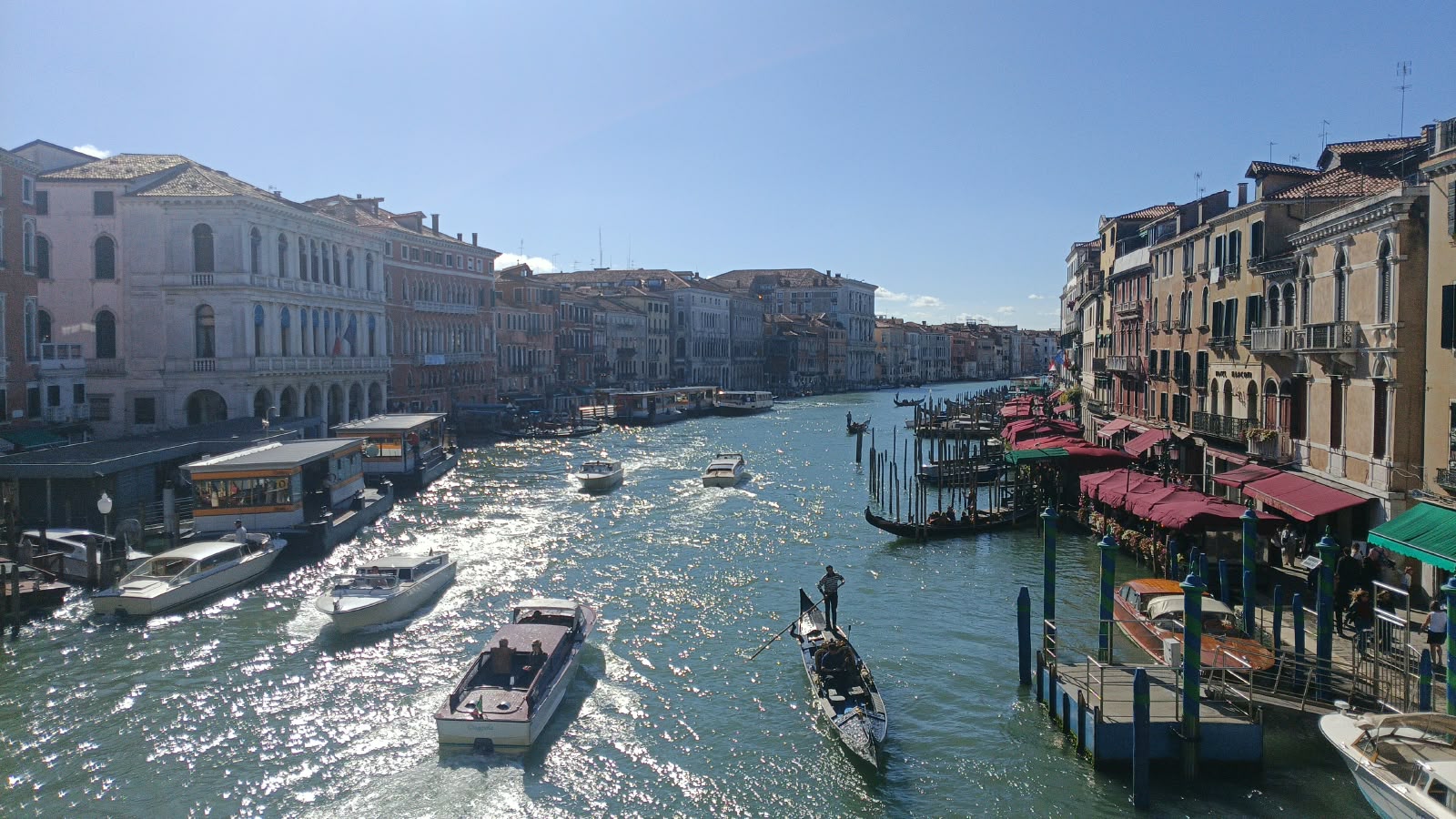
Venice may seem like an open-air museum, but it’s actually a unique sociological masterpiece. In the heart of its historic center, the city has performed a spontaneous magic: it has transformed itself into a widespread “third place,” where public space becomes a natural extension of one’s own living room.
The sociological concept of a “third place” – theorized by Ray Oldenburg – defines those spaces of social gathering beyond home (the first place) and work (the second), which are fundamental for a community’s psychological well-being and cohesion. While in modern metropolises these spaces must be artificially sought out in cafes, gyms, or libraries, in Venice the entire urban structure spontaneously becomes a third place.
In Venice, logistical “difficulties” convert into extraordinary multipliers of human capital, where the physical layout of the city guides relationships:
- The obligation to walk: No cars, no subways, no rush isolated inside a vehicle compartment. Moving around Venice means walking. And the pedestrian pace forces people to look at each other, to slow down, and to cross paths with others.
- Its small dimension: It is mathematically almost impossible to leave the house without running into an acquaintance, a neighbor, or a shopkeeper to exchange a few words.
- The campiello as a living room: Every Venetian square functions as an autonomous village square, where children play safely, the elderly converse on benches, and workers stop for a quick “bàcaro” at the end of the day.
Living in the historic center undoubtedly requires a pact with effort: groceries are carried by hand, heavy transport follows the rhythm of the tides, and tourist flows test the patience of residents.
Yet, the relational benefits amply compensate for the logistical struggles. In an era dominated by digital isolation and urban loneliness, Venice offers the perfect antidote: a spontaneous community dimension, where human interaction does not need to be scheduled in a planner but happens simply by walking out the front door.
To truly understand and internalize this sociological magic, a few hours of “hit-and-run” tourism cannot suffice; it takes time to blend one’s own pace into the authentic rhythm of the city. Choosing a medium-to-long-term stay allows one to move past the postcard surface and become an integral part of this social fabric.
Although the Venetian real estate market is undoubtedly complex, by moving with advance planning, patience, and targeted research, it is possible to find housing solutions at non-prohibitive costs. Indeed, there are options geared towards real residential living — such as transitional contracts for workers or students — which represent a highly valid alternative to classic short-term tourist rentals. Taking the right amount of time to look for a home in Venice is not just a logistical choice, but the ticket to a lifestyle that has become extremely rare: that of a human-scale city, where you are never truly alone. Get in touch with us at Luxrest Venice to discuss your housing project in Venice!


